Home Comparables vs. Home Competition: Why Both Matter When You Sell
Charm Hartland
Wednesday, September 23, 2026
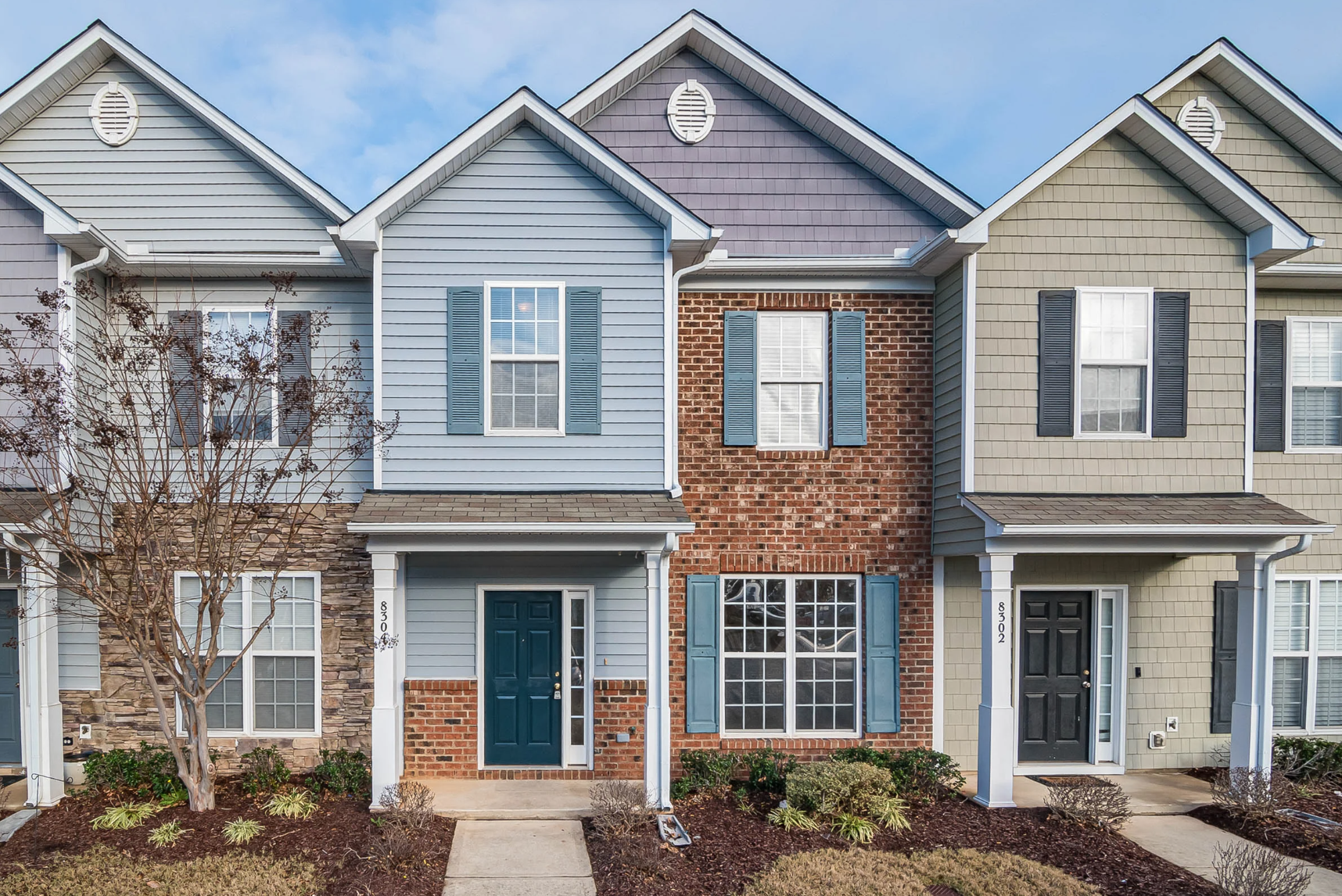
Home Comparables vs. Home Competition: Why Both Matter When You Sell
When you get ready to sell, you will hear two words a lot. Comparables and competition. They sound alike. They are not the same. Each one does a different job. If you mix them up, you can price your home wrong or lose buyers to the house down the street.
Here is how they work, and why your buyer's lender cares so much about one of them.
What Are Comparables?
Comparables, or "comps," are homes that have already sold. They are close to your home in size, lot, age, condition, and location. They sold recently, usually within the last few months.
Comps show what buyers actually paid. Not what a seller hoped for. Not what a listing asked. The real, final price. That is why comps are the starting point for setting your price.
What Is Your Competition?
Your competition is every home for sale in your neighborhood right now. These are the homes a buyer will tour on the same weekend they tour yours.
Your competition shows what your buyer can choose instead of you. If three similar homes are listed nearby, your home has to stand out. Price, condition, photos, and staging all matter here.
A Home Can Be One Without Being the Other
This is where home sellers get confused. A home can be a great comp and not be competition. It already sold. It is off the market. No buyer can choose it today.
A home can also be competition and not be a good comp. It might be much bigger or smaller. It might be priced far above what it will ever sell for. An asking price proves nothing until a buyer agrees to pay it.
Simple rule: Comps tell you what your home is worth. Competition tells you how to position it.
Why Lenders Use Comparables for Appraisals
Most buyers need a loan. When they do, the lender orders an appraisal. The appraiser works for the lender's interests, not the buyer or seller.
The lender has one big question. If this buyer stops paying, is the home worth enough to cover the loan? The home is the lender's safety net. The lender needs a value it can trust. That is why appraisers lean on comparables.
Here is why:
Sold prices are proven. A closed sale is a fact. A willing buyer and a willing seller agreed on a price, and the deal closed. A list price is only a hope.
Sold prices are objective. Two appraisers looking at the same closed sales should land in a similar place. Asking prices vary too much to be reliable.
Lending guidelines require them. Major loan programs, such as those set by Fannie Mae, expect appraisers to base value on recent closed sales of similar homes nearby. Appraisers typically use at least three.
Adjustments make the comparison fair. No two homes are identical. The appraiser adjusts for differences. An extra bedroom, a bigger lot, a remodeled kitchen, or a pool can move the number up or down.
Appraisers may also look at active and pending listings. These help show whether the market is rising or cooling. But the final value rests mainly on closed sales.
What Happens If the Appraisal Comes In Low?
Say your home goes under contract for $1,600,000. The appraisal comes back at $1,550,000. The lender will only lend based on the lower number. That leaves a $50,000 gap.
Now the buyer and seller have choices. The buyer can bring more cash. The seller can lower the price. They can meet in the middle. Or, if the contract allows, the buyer may walk away.
This is why pricing off comps matters so much. A price your comps cannot support can cause trouble at the appraisal, even if you found a buyer.
How Smart Sellers Use Both
Good pricing uses comps and competition together.
Start with comps. They set a realistic value range. This is the number an appraiser is likely to support.
Then study your competition. Where does your home fit among the active listings? Is it the best value? The best condition? The best location? If not, how do you close that gap?
Price with both in mind. A home priced right by the comps but poorly against the competition can sit. A home priced to beat the competition but above the comps can struggle at appraisal.
Watch the market as it moves. New listings come on. Others sell. Your competition changes every week. Your plan should too.
Why This Matters in Santa Clara County
In San Jose and across Santa Clara County, homes vary a lot from street to street. Lot sizes, school boundaries, and updates can shift value quickly. A home a mile away may not be a true comp at all.
That makes local knowledge important. The right comps, and a clear read on today's competition, can mean a faster sale and a smoother appraisal.
Frequently Asked Questions:
What is the difference between comps and competition?
Comps are similar homes that recently sold. Competition is the homes for sale near you right now. Comps help set value. Competition helps you position your home.
Why don't appraisers use list prices?
List prices are only what sellers are asking. They are not proof of value. Closed sales show what buyers actually paid.
How recent do comps need to be?
Appraisers prefer recent sales, often within the last 3-6 months. In a fast-changing market, the most recent sales carry the most weight.
Can a pending sale be used as a comp?
Appraisers may note pending sales to show market direction. But the final price is not public until the sale closes, so closed sales carry the most weight.
What if my home is unique?
The appraiser may widen the search area or time frame. They then adjust for the differences. Unique homes need extra care when pricing.
Thinking About Selling?
Pricing is not a guess. It is a plan built on comps and shaped by your competition. If you are thinking about selling in Santa Clara County, I would be glad to walk you through both for your home.
Charm Hartland
Realtor, SRES | Realty World Homes & Estates
408-712-3932 | Charm@HartlandTeam.com | www.hartlandteam.com
DRE #01216487
We would like to hear from you! If you have any questions, please do not hesitate to contact us. We are always looking forward to hearing from you! We will do our best to reply to you within 24 hours !